
Nutrition for Injury Recovery: A Sport Dietitian’s Phase-by-Phase Guide
Recovering from a broken bone, ACL reconstruction, or another sports injury? Nutrition can support your healing, but it’s not a shortcut and can look different at each stage of rehab.
This past spring, I broke my leg playing rugby. I’m also a board-certified sports dietitian who helps athletes fuel their recovery. Now that I’m almost six months out, I’m sharing what mattered most, what I skipped, and what I would tell you if you were sitting across from me.
Injury recovery is generally broken down into phases, and your priorities shift with each one. Maybe you’re scheduled for surgery or maybe, like me, you ended up five minutes into a game realizing you won’t be able to make it to playoffs. Keep in mind that these timelines are approximate, flexible, and based on function rather than the calendar itself!
Much of this comes from my own experience with orthopedic surgery recovery, so your mileage may vary based on injury. This is intended as general education, not individualized medical advice. Check with your surgeon or care team before changing medication or adding supplements.
At a Glance: Nutrition Priorities
Phase 1 (Weeks 0-2): Eat enough, prioritize protein, manage GI issues, make eating easier
Phase 2 (Weeks 2-12): Maintain adequate energy/protein, support rehab, gradually normalize eating
Phase 3 (Months 3-12): Match fueling to training, rebuild muscle/bone/tendon, support return to sport
Phase 1: Calm the Fire (Weeks 0-2)
Nutrition in the first two weeks after injury or surgery
The first two weeks after surgery, at least for me, were about survival. According to board-certified sports PT Dr. Alex Peters, your rehab at this stage is focused mainly on getting inflammation under control and managing pain. While it can seem early to start physical therapy here, I personally started going to PT one week after surgery.
Alex says “starting rehab early is important to manage expectations and begin setting the stage for later rehab.”
It made a big difference to feel like I could better manage inflammation and pain, and gave me a sense of hope and a timeline.
Energy demands are very high in early recovery. Even though it can feel like you are just resting, metabolic rate is elevated after surgery and during injury recovery. And moving around on crutches takes a ton of energy!
Meanwhile, your appetite and digestion may be thrown off by combination of pain medication, stress, and poor sleep. Eating may feel more mechanical than based on hunger and fullness cues.
My priority in this stage was making the conditions for eating happen as frequently as possible while minimizing digestive upset.
Your mobility may be pretty limited here, too, so don’t be afraid to buy some prepared meals and snacks or ask for help with bulk prepping things like energy bites.
I actually kept some snacks in my bedside table and a crate of snacks on an accessible shelf while aiming to eat something every 2-3 hours.
Protein and Carbohydrates
Protein and carbohydrate needs are higher in early recovery. Your body is under a lot of stress and needs protein to repair incision sites.
Exact protein needs can range from 1.2-2.0 grams per kilogram bodyweight, but the spread of protein throughout the day matters more than total dosage. Having protein at every meal helps, and an easy win for me was taking a protein shake in before bed.
Carbohydrates are often missed when we talk about protein, but they play an important role in protecting muscle protein so it doesn’t get broken down to be used as energy.
Both are necessary, so be sure both are present on plates at all meals.
Medications and Your Gut
I made the unpleasant mistake during this early stage of taking irritating medications on an empty stomach enough times that I started to develop a burning sensation. Always take medications like ibuprofen and aspirin with food and ask your care team what’s right for you.
Opioid pain medications do slow your digestive system down which can cause constipation, impact appetite, and can lead to rapid fullness. I took a gentle osmotic laxative like miralax before I needed it and used things like self-massage to promote bowel regularity. Talk to your team about what they recommend if you’re getting constipated.
Supplements for Early Recovery
No supplement is absolutely necessary without deficiency and is not a shortcut for eating enough and sleep. However, I’ll share what I used and other evidence-based options.
Zinc, vitamin C: I took both as they can be helpful for wound healing and this was prescribed to me at the hospital. Vitamin C is also a precursor for collagen.
Vitamin D: mine was in the insufficient range in the hospital, also prescribed.
Omega-3s: There’s evidence they support muscle preservation[1]
Creatine: Generally well-supported to enhance resistance training, though it is being studied to prevent muscle breakdown related to immobilization with mixed results[2]. It’s likely most impactful in later stages of rehab, but is potentially helpful to continue if you’re already taking it and tolerating it well. Personally, it does upset my stomach, so I skipped since my GI was already dealing with a lot.
Calcium: I tried taking a calcium supplement for a hot minute but it did not mesh well with the constipating effect of medication, so instead I prioritized dairy intake at least three times a day. If you don’t eat a lot of dairy or calcium-containing foods like nuts, seeds, fortified non-dairy milk, tofu, and leafy greens can help and a supplement may be worth discussing with your team, especially if you are healing from a fracture.
Foods to prioritize: Antioxidant-rich foods, such as brightly colored berries, dark leafy greens, and citrus fruit as they help with healing.
You may want to avoid or limit: Caffeine, due to its potential GI effects and alcohol due to its impact on sleep and general health. Smoking cessation is also encouraged due to its negative impact on bone remodeling and healing.
Phase Two: Early Rehab and Milestones (Weeks 2-12)
Fueling your first rehab sessions.
This stage was pretty exciting for me because it was a return to a lot of things I couldn’t do. I was phasing out my walking boot and showering independently again.
I still couldn’t walk for long, and my early rehab exercises were focused on mobilizing my very stiff knee and ankle and starting to wake up the muscles affected by surgery.
In the early stages of rehab, “you are laying the foundation for later stages, sometimes with more boring exercises,” says Dr. Peters, “but this allows for more fun things later and makes the whole process much smoother.”
Respect your Limits
The biggest lesson from these still-early weeks: your limits are probably lower than you would like them to be.
Any time I pushed past mine, I ended up regretting it the next day and would experience a setback with pain and capacity.
Dr. Peters adds that pain here is a normal part of the recovery process.
It is much preferable to stay within your current limits and continue to make progress than to keep taking one step forward and two steps back.
Your capacity will expand with time, but you have to be patient.
Energy, Protein, and Getting Help
Energy and protein needs remain high through this stage of recovery.
I continued to rock a relatively high dairy, high protein diet here and prioritized eating enough throughout the day. Even though I still wasn’t highly active here, I felt hungry a lot and leaned into it.
You may still need help with cooking and meal prep. My husband was able to take over grocery shopping at this point and we ended up splitting a lot of the meal preparation. For example, I might start making the meal and then he would take over when I needed to tap out.
Supplements During Phase 2:
I phased out the zinc and vitamin C once my wounds healed. I’m not a fan of long-term supplementation of either.
I took collagen with vitamin C 30-60 minutes before rehab, but not super consistently. There is some evidence for timing collagen before training can increase collagen synthesis, but this doesn’t necessarily apply to injury[3].
Foods to Prioritize: Here, I started to ramp back up my intake of higher fiber and more complex-carbohydrate containing foods as my digestion normalized. High antioxidant-containing foods, like berries and leafy greens were a regular part of my diet and I started to work omega-3s into my diet more through fatty fish like salmon.
Want to check in on your own fueling? My Aligned Athlete Nutrition Self-Audit helps you see where your nutrition stands. [Download it for free here]
Phase 3: Rebuilding (Months 3-12)
Sports Nutrition for the Long Haul
The longest and slowest phase, and I’m still in it.
This is where I graduated into walking more comfortably and my rehab started to look more like training.
Here, protein stayed a priority, but as I incorporated more cardio into and actual resistance training, I was a bit more focused on intentionally including carbohydrates around my sessions.
Sometimes, athletes can be overly conservative about carbs around training. I personally benefit from having a carb-based snack even before moderate or lower-intensity sessions if my schedule demands it.
I wasn’t religious about many of the strategies I emphasized early on, for example having a daily serving or two of berries. But that’s okay. The most important ingredient for recovering from an injury is time, and sometimes it’s most important to know when to get our of your own way.
I had some pretty intense life stressors come up around 12 weeks that required out of state travel, taking time off of work, and caregiving for a family member when I was still limping around.
I had to be honest with myself about my capacity and prioritized training that I could actually recover from. This meant I was training more like once or twice a week.
In an ideal world, I would have trained more frequently, but consistency mattered more than setting myself back.
Supplements in the rebuilding phase
I still take vitamin D daily as I need a maintenance dose and protein powder after training as needed.
Here, my nutrition looks a lot more like good old fashioned sports nutrition that supports building muscle, bone, and tendons: enough energy, carbs, and protein.
You might opt to return to other sports specific supplements that are well-tolerated, such as caffeine and creatine if desired.
A Sidebar on Weight:
I’m not going to pretend weight isn’t a concern for many going through injury.
For some, exercise is part of how they feel in control of their weight and not being able to exercise can be distressing.
Generally, I recommend discussing this further with a dietitian as using exercise to compensate for eating can be part of a disrupted eating pattern that warrants more support.
Personally, I have done a lot of work to decouple exercise and eating from weight, and this served me well. I was able to focus on how to best support my body in its current ability level instead of micromanaging my weight.
I wondered whether my body might change throughout recovery, but I didn’t dedicate much brain space to it.
Here’s what I did notice: I lost a lot of muscle in my injured leg, especially the calf and quad. I did some things to help prevent it, but I believe a lot of it is inevitable given the body’s response to surgery and injury[4]. I was able to maintain most of my total-body muscle tissue and my weight remained within the same 2-3 kilogram range throughout recovery.
Generally, I would rather see someone gain weight and have a positive recovery than lose weight and delay healing or impact functional recovery.
I won’t promise you your weight won’t change, because every body’s circumstances are different. But worrying about your weight will likely only add stress. A dietitian can help keep you focused on what matters and navigate some of the body image stuff that might come up.
Redefining Your Goals in Injury Recovery
My goals, at least for right now, don’t include a return to rugby. For you, return-to-play might be a huge motivator.
For me, it meant a flexible timeline, and I sometimes struggled to finding motivation without a deadline.
That pushed me to dig deep into why I train and to find enjoyment in it again, which was a much-needed refresher. I still love training like an athlete and speed work, so my goals include developing the capacity to return to those things. I am in a return-to-run protocol right now, but mostly because I want the ability to run more than I want to compete.
Either way, competition will take a backseat when you’re injured. It’s jarring to go from training like an athlete to drawing the alphabet with your ankle. And it can be an opportunity to explore other aspects of your identity, find what brings you joy, or to experiment with new hobbies.
In my recovery, I had a lot more time to invest in building my business, reading more for pleasure, and getting into watching baseball. It’s made my relationships richer and my priorities clearer.
It’s okay if you decide that you don’t want to return to sport and to redefine what injury recovery and being an athlete means to you.
The Bottom Line
Many nutrition strategies are helpful in recovery, but just like with every athlete, I’ll invite you to play (and fuel!) the long game. Depending on your injury, full recovery may take a year or longer.
Learn to ride the waves and see the big picture.
You might be seeking optimal recovery through nutrition, but it’s important to remember that you can’t fully protect yourself from the grief and loss of injury.
You will lose some strength and ability, but gaining it back will be faster than building it the first time.
Recovery takes a lot of patience: with yourself, your body, and the process. It can also be a rich learning experience.
So my advice? Take from it what you can. Allow yourself to grieve and feel everything that comes up. You get to decide where recovery lands you. Nutrition is just one aspect of self-care.
You Don’t Have to Do it Alone.
In recovery, working with a rehab professional is often a given, but this may also be the time to bring in mental health support or a dietitian that understand the science of healing and the emotional weight of being sidelined.
If you’re navigating injury recovery and want personalized support with fueling, I work with athletes at every stage, from preparing for surgery, the weeks after, to returning to training. Learn more about working together here.
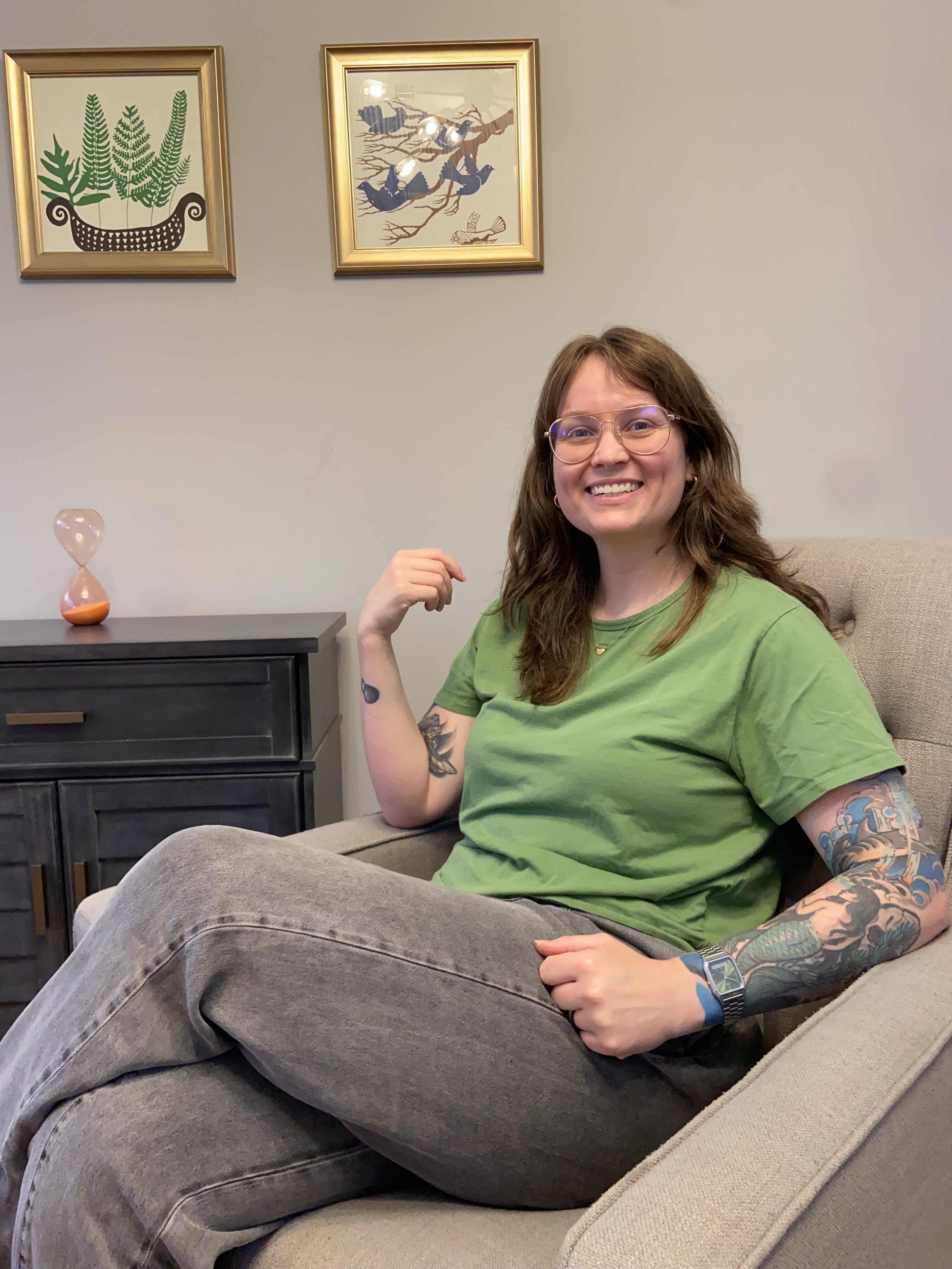
Em Palmerton is a sports dietitian (CSSD, CEDS) who works with athletes navigating performance, disordered eating, and body image. She supports teen and adult athletes, helping them fuel for the long game without compromising their relationship with food or their body. Want to bring an eating disorders and REDs-informed provider to your program? Get in touch to connect.
References:
[1] McGlory C, Gorissen SHM, Kamal M, et al. Omega-3 fatty acid supplementation attenuates skeletal muscle disuse atrophy during two weeks of unilateral leg immobilization in healthy young women. FASEB J. 2019;33(3):4586-4597. doi:10.1096/fj.201801857RRR
[2] Smith, M.J., Hoffman, N.J., Jose, A.J.S. et al. Nutritional Interventions to Attenuate Quadriceps Muscle Deficits following Anterior Cruciate Ligament Injury and Reconstruction. Sports Med 55, 569–596 (2025). https://doi.org/10.1007/s40279-025-02174-w
[3] Shaw, Gregory, et al. "Vitamin C–Enriched Gelatin Supplementation Before Intermittent Activity Augments Collagen Synthesis." The American Journal of Clinical Nutrition, vol. 105, no. 1, 2017, pp. 136–143, https://doi.org/10.3945/ajcn.116.138594.
[4] Rice DA, McNair PJ. Quadriceps arthrogenic muscle inhibition: neural mechanisms and treatment perspectives. Semin Arthritis Rheum. 2010;40(3):250-266. doi:10.1016/j.semarthrit.2009.10.001.